
Nickel alloys are widely used in industries that require excellent corrosion resistance, high-temperature strength, durability, and reliable performance. These materials are commonly used in oil and gas, chemical processing, petrochemical, aerospace, marine, power generation, pharmaceutical, and industrial manufacturing applications.
For businesses operating in the United States, choosing a reliable nickel alloy supplier in the USA market is important for maintaining product quality, meeting technical specifications, and ensuring timely project completion.
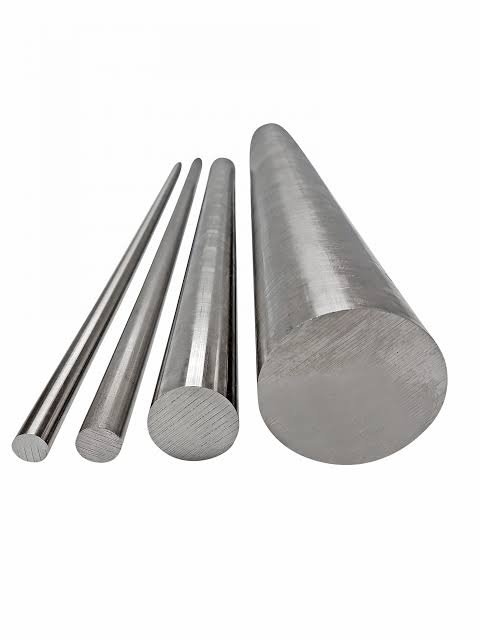
This guide explains the key factors to consider when selecting a Top 10 Supplier of Nickel Alloy in USA Market, along with common nickel alloy grades, product forms, applications, and purchasing considerations.
What Is Nickel Alloy?
Nickel alloys are metal alloys in which nickel is one of the primary elements. Other elements, such as chromium, molybdenum, iron, copper, and other alloying elements, may be added to improve specific properties.
Nickel alloys are widely preferred for demanding applications because they can provide:
- Excellent corrosion resistance
- High-temperature strength
- Good mechanical properties
- Resistance to oxidation
- Resistance to harsh chemicals
- Long-term performance
- Good durability in demanding environments
The exact properties depend on the alloy grade and its chemical composition.
What Should You Look for in a Nickel Alloy Supplier?
When searching for a nickel alloy supplier in the USA market, buyers should evaluate more than just the price of the material.
Important factors include:
1. Product Quality
The supplier should be able to provide nickel alloy products that meet the required specifications, dimensions, grades, and applicable industry standards.
2. Wide Product Range
A reliable supplier should ideally offer multiple nickel alloy grades and product forms so buyers can source materials according to their project requirements.
3. Material Certification
For industrial applications, material test certificates and other quality documents may be required to verify chemical composition, mechanical properties, and material compliance.
4. Manufacturing Capability
For customized requirements, buyers should check whether the supplier can manufacture products according to specific dimensions, sizes, and technical requirements.
5. Availability and Lead Time
Product availability and delivery time are important factors, particularly for projects with strict deadlines.
6. Technical Support
A knowledgeable supplier can help customers identify suitable material grades and product specifications based on the intended application.
7. Export and Delivery Support
For international buyers, proper packaging, documentation, shipping coordination, and export support are important considerations.
Top 10 Factors for Selecting a Nickel Alloy Supplier
Instead of selecting a supplier only on the basis of price, industrial buyers can evaluate suppliers using the following ten factors:
1. Nickel Alloy Product Quality
Quality should be the first consideration when purchasing nickel alloy materials. Products should meet the required technical specifications and applicable standards.
2. Availability of Different Grades
Different applications require different nickel alloy grades. A supplier offering multiple grades can make material sourcing easier.
3. Product Forms
Nickel alloys are available in several forms, including:
- Pipes
- Tubes
- Sheets
- Plates
- Round bars
- Coils
- Fittings
- Flanges
- Fasteners
- Welding products
4. Material Testing and Certification
For critical industrial applications, buyers may require material test certificates, inspection reports, chemical analysis, mechanical testing, and other documentation.
5. Custom Manufacturing
Some projects require non-standard sizes, thicknesses, lengths, or other customized specifications. Manufacturing flexibility can therefore be an important supplier-selection factor.
6. Industry Experience
Experience in supplying materials for industries such as oil and gas, chemical processing, power generation, aerospace, and marine applications can be valuable.
7. Production Capacity
For large projects, buyers should confirm whether the supplier has sufficient production and supply capacity to meet the required quantity.
8. Delivery Time
Lead time should be clearly discussed before placing an order. Buyers should consider manufacturing, inspection, packaging, and shipping time.
9. Packaging and Transportation
Nickel alloy products should be properly packed to reduce the risk of damage, contamination, or corrosion during transportation.
10. Customer Support
Responsive communication and proper technical documentation can make the procurement process easier and more efficient.
Common Nickel Alloy Grades
Several nickel alloy grades are used for industrial applications.
Nickel 200
Nickel 200 is a commercially pure nickel grade known for good corrosion resistance and useful mechanical properties.
It is used in applications involving chemical processing, food processing, electronics, and other industrial environments.
Nickel 201
Nickel 201 is a low-carbon version of commercially pure nickel. It is commonly selected for applications where low-carbon nickel is required, particularly at elevated temperatures.
Inconel 600
Inconel 600 is a nickel-chromium alloy known for good resistance to oxidation and corrosion along with high-temperature performance.
Inconel 601
Inconel 601 offers strong resistance to oxidation and high-temperature environments and is used in various heat-resistant industrial applications.
Inconel 625
Inconel 625 is a nickel-based alloy known for high strength and excellent resistance to corrosion and pitting.
Inconel 718
Inconel 718 is a high-strength nickel-based alloy designed for demanding applications, including environments involving elevated temperatures.
Monel 400
Monel 400 is a nickel-copper alloy with good resistance to seawater and various corrosive environments.
Hastelloy C276
Hastelloy C276 is a nickel-molybdenum-chromium alloy known for strong resistance to a wide range of aggressive chemical environments.
Alloy 20
Alloy 20 is a corrosion-resistant alloy commonly used in chemical processing and applications involving corrosive media.
The correct alloy should always be selected according to the application’s operating conditions and technical requirements.
Nickel Alloy Products Available for Industrial Applications
A professional nickel alloy supplier may provide different product forms according to customer requirements.
Nickel Alloy Pipes
Nickel alloy pipes are used in industrial piping systems where corrosion resistance, mechanical strength, and temperature performance are important.
Nickel Alloy Tubes
Nickel alloy tubes are commonly used in heat exchangers, process equipment, chemical systems, and other demanding applications.
Nickel Alloy Sheets
Nickel alloy sheets are used for fabrication, equipment manufacturing, industrial components, and chemical processing applications.
Nickel Alloy Plates
Nickel alloy plates are suitable for heavy-duty fabrication and equipment where strength and corrosion resistance are required.
Nickel Alloy Round Bars
Round bars are used to manufacture shafts, fasteners, machined components, and other industrial parts.
Nickel Alloy Fittings
Nickel alloy fittings such as elbows, tees, reducers, and couplings are used to connect piping systems.
Nickel Alloy Flanges
Nickel alloy flanges are used to connect pipes, valves, pumps, and other components in industrial piping systems.
Nickel Alloy Fasteners
Nickel alloy bolts, nuts, screws, and other fasteners are used in environments where corrosion resistance and strength are important.
Applications of Nickel Alloys
Nickel alloys are used in many industries because of their corrosion resistance, strength, and high-temperature performance.
Oil and Gas Industry
Nickel alloys can be used in equipment and piping exposed to corrosive fluids, pressure, and demanding operating conditions.
Chemical Processing
Nickel alloys are widely used in chemical processing equipment because many grades can resist aggressive chemicals and corrosive environments.
Petrochemical Industry
Nickel alloy components may be used in process equipment, piping systems, heat exchangers, and other petrochemical applications.
Power Generation
Certain nickel alloys are suitable for components exposed to high temperatures, pressure, and corrosive environments.
Aerospace Industry
Nickel-based superalloys are used in selected aerospace applications where high-temperature strength and durability are required.
Marine Industry
Some nickel alloys provide excellent resistance to seawater and other marine environments.
Pharmaceutical Industry
Nickel alloy materials can be used in selected processing and equipment applications where corrosion resistance and material durability are required.
Benefits of Using Nickel Alloys
Nickel alloys provide several benefits for demanding industrial applications.
High Corrosion Resistance
Many nickel alloys offer excellent resistance to corrosion in harsh chemical and marine environments.
High-Temperature Performance
Certain nickel-based alloys retain strength and stability at elevated temperatures.
Excellent Strength
Nickel alloys can provide the mechanical strength required for demanding industrial applications.
Long Service Life
Properly selected nickel alloys can provide reliable performance and long service life under suitable operating conditions.
Versatile Applications
Nickel alloys are available in multiple grades and product forms, making them suitable for a wide range of industries.
How to Choose the Right Nickel Alloy Grade?
Choosing the right nickel alloy requires understanding the operating environment.
Consider the following factors:
- Operating temperature
- Chemical exposure
- Corrosion conditions
- Pressure
- Mechanical load
- Required strength
- Welding requirements
- Fabrication process
- Product dimensions
- Applicable ASTM or ASME specifications
- Required certifications
A supplier should be provided with complete technical requirements so that the appropriate material can be selected.
Why Choose a Reliable Nickel Alloy Supplier?
A reliable supplier can help businesses maintain consistent material quality and simplify procurement.
A professional supplier should be able to provide:
- Required alloy grades
- Multiple product forms
- Accurate dimensions
- Quality documentation
- Material certification
- Testing reports where required
- Customized products
- Proper packaging
- Timely delivery
- Technical assistance
For international procurement, buyers should also consider export documentation and shipping requirements.
Nickel Alloy Supplier for the USA Market
Businesses looking for a nickel alloy supplier in the USA market can work with experienced manufacturers, stockists, exporters, and distributors based on their specific requirements.
For international sourcing, Siddhgiri Overseas provides nickel alloy products in different forms and grades for industrial applications. The available product range includes nickel alloy pipes, tubes, sheets, plates, coils, round bars, fittings, flanges, fasteners, welding rods, and filler wires.
The company supplies various nickel-based materials, including Nickel 200, Nickel 201, Inconel grades, Monel grades, Hastelloy grades, and other specialty alloys, subject to product specifications and availability.
Buyers can provide their required:
- Alloy grade
- Product type
- Size
- Thickness
- Length
- Quantity
- Applicable standard
- Certification requirements
- Delivery location
This information helps suppliers provide a more accurate quotation and product recommendation.
Frequently Asked Questions
What is a nickel alloy supplier?
A nickel alloy supplier provides nickel-based materials in different grades and product forms for industrial and commercial applications. Suppliers may manufacture, stock, distribute, or export nickel alloy products.
What are the most common nickel alloy grades?
Common nickel alloy grades include Nickel 200, Nickel 201, Inconel 600, Inconel 601, Inconel 625, Inconel 718, Monel 400, Hastelloy C276, and Alloy 20.
What products are available in nickel alloys?
Nickel alloys can be supplied as pipes, tubes, sheets, plates, coils, round bars, fittings, flanges, fasteners, welding rods, filler wires, and customized components.
Which industries use nickel alloys?
Nickel alloys are used in oil and gas, chemical processing, petrochemical, aerospace, marine, power generation, pharmaceutical, food processing, and general manufacturing industries.
How do I select a nickel alloy supplier?
Compare the supplier’s product range, material quality, certifications, manufacturing capability, availability, production capacity, delivery time, technical support, and pricing.
Can nickel alloy products be customized?
Yes, depending on the supplier’s manufacturing capabilities, nickel alloy products can be supplied in customized sizes, thicknesses, lengths, and other specifications.
What information should I provide when requesting a nickel alloy quotation?
Provide the alloy grade, product form, dimensions, quantity, applicable standard, certification requirements, and delivery location. Providing complete technical information helps the supplier prepare an accurate quotation.
Conclusion
Finding the right nickel alloy supplier in the USA market requires careful evaluation of product quality, alloy grades, certifications, manufacturing capabilities, product availability, delivery time, and technical support.
Nickel alloys are available in a wide range of grades and forms, making them suitable for demanding applications across oil and gas, chemical processing, aerospace, marine, power generation, and other industries.
Before placing an order, buyers should clearly define their material grade, dimensions, quantity, standards, testing requirements, and delivery requirements. Working with an experienced supplier can help ensure that the selected nickel alloy meets the technical and application requirements of the project.
Siddhgiri Overseas supplies nickel alloy products in multiple grades and forms for industrial requirements and international sourcing. Customers can share their specifications to discuss suitable nickel alloy products and receive a quotation based on their requirements.